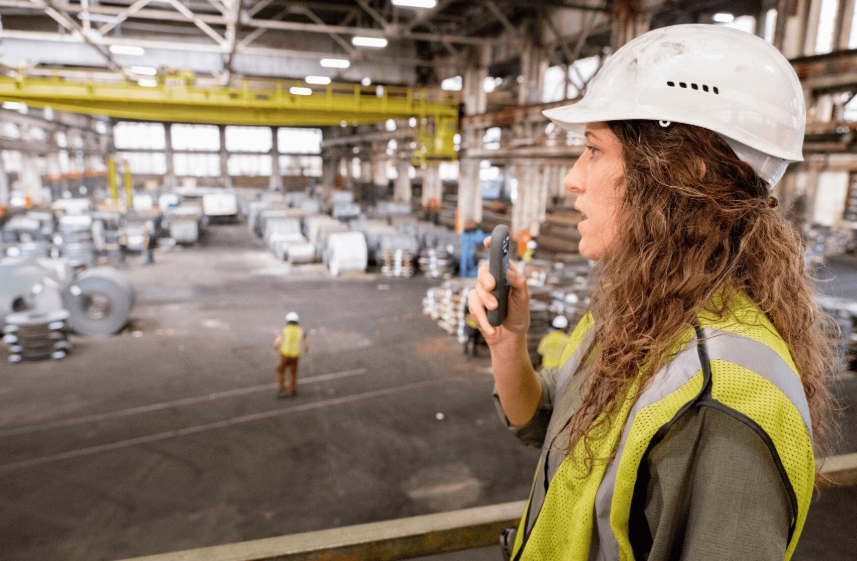
How to Choose Communication Radios for Safety and Work
Communication radios remain one of the most reliable tools for businesses, security teams, logistics operations, and field workers across different industries. Even with the growth of smartphones and internet-based communication, professional radios still provide advantages that mobile devices cannot always guarantee. They offer instant communication, stable coverage in remote locations, and reliable performance in demanding environments.
Modern industries such as construction, transportation, manufacturing, hospitality, mining, and private security rely heavily on radio communication systems to improve coordination and workplace safety. Many professionals now choose advanced radio equipment from RadioRed because of the wide range of portable radios, repeaters, antennas, batteries, and accessories available for professional use.
Why Communication Radios Are Still Important
Communication radios continue to play a critical role in professional environments where fast and reliable coordination is necessary. Unlike mobile phones, radios allow users to communicate instantly without dialing numbers or waiting for connections.
This immediate communication can make a major difference during emergencies, large-scale operations, transportation logistics, and industrial activities.
Another important advantage is reliability. In areas with poor cellular coverage, radios continue operating efficiently. This makes them extremely useful for remote locations, construction projects, warehouses, and outdoor operations.
Professional radio systems also improve group coordination because multiple team members can receive instructions at the same time.
See also: integrated business analysis report
Main Types of Communication Radios
Different industries require different communication solutions. Understanding the main categories of radios helps businesses choose the right equipment for their needs.
Portable Radios
Portable radios are among the most commonly used communication devices.
These lightweight and compact radios are ideal for workers who need mobility during daily operations.
Portable radios are widely used in:
Security operations
Hotels and resorts
Construction sites
Retail stores
Event management
Restaurants
Industrial facilities
Modern portable radios include many advanced features such as:
VOX voice activation
Automatic channel scanning
Noise reduction
Long battery life
Waterproof protection
Clear audio technology
Emergency alerts
Many models are also designed to meet military durability standards.
Mobile Radios
Mobile radios are installed inside vehicles.
These radios are commonly used in:
Transportation fleets
Ambulances
Emergency vehicles
Delivery services
Taxis
Heavy equipment operations
Because mobile radios operate with higher power levels, they typically provide wider communication coverage.
They can also connect to external antennas to improve signal strength.
Marine Radios
Marine radios are designed specifically for boats, ships, and maritime operations.
These radios are built to resist water exposure, humidity, and salt corrosion.
Marine communication systems are essential for navigation safety and emergency communication between vessels and ports.
Many modern marine radios include GPS integration and emergency distress functions.
Aviation Radios
Aviation radios are used by pilots and air traffic controllers.
These systems operate under strict communication standards to ensure reliable and clear transmissions.
Aviation communication equipment is critical for maintaining flight safety.
Intrinsically Safe Radios
Intrinsically safe radios are designed for hazardous environments where explosions could occur.
These radios are commonly used in:
Oil and gas facilities
Chemical plants
Mining operations
Fuel storage areas
Industrial manufacturing
They are engineered to prevent sparks or overheating that could ignite dangerous gases or particles.
The Importance of Radio Repeaters
Radio repeaters are one of the most important components in professional communication systems.
A repeater receives radio signals and retransmits them with greater strength and coverage.
This technology is extremely useful for:
Large industrial facilities
Mountainous regions
Long-distance operations
Multi-building communication systems
Large warehouses
Without repeaters, communication range may become limited in complex environments.
Businesses that operate over large areas often rely on repeaters to maintain consistent communication.
Essential Radio Accessories
Accessories significantly improve radio performance and user convenience.
High-Capacity Batteries
Battery quality directly affects operational reliability.
Modern batteries offer:
Longer operating times
Faster charging
Better energy efficiency
Extended battery lifespan
Reliable batteries are especially important for security teams and field workers who operate long shifts.
Microphones and Earpieces
Remote microphones and earpieces improve comfort and communication privacy.
These accessories are highly useful for:
Security personnel
Event coordinators
Logistics supervisors
Hotel staff
They also improve communication clarity in noisy environments.
Professional Antennas
Antennas greatly influence signal quality and communication range.
Different antennas are available for
Vehicles
Fixed stations
Urban operations
Rural coverage
Industrial use
Using the correct antenna can dramatically improve communication reliability.
Multi-Unit Chargers
Businesses with large teams often use multi-unit chargers to charge several radios simultaneously.
This simplifies equipment management and reduces downtime.
Latest Technological Advancements in Radio Communication
Radio communication technology continues evolving rapidly.
Modern communication radios now include advanced features that improve efficiency, durability, and user safety.
Digital Radio Systems
Digital radios provide several advantages compared to analog systems.
These benefits include:
Better audio quality
Reduced interference
Improved privacy
More efficient frequency usage
Advanced programming capabilities
Digital communication systems are becoming increasingly popular across multiple industries.
Noise Cancellation Technology
Advanced radios now include intelligent audio processing and noise cancellation systems.
This technology improves voice clarity even in loud industrial environments.
GPS Tracking
Some modern radios include GPS functionality for real-time user location tracking.
This feature is especially valuable for:
Security operations
Transportation fleets
Emergency response teams
Outdoor activities
Rugged and Waterproof Designs
Professional radios are often built to withstand extreme environments.
Many devices meet military durability standards such as MIL-STD-810.
These radios can resist:
Dust
Water
Vibration
Extreme temperatures
Physical impacts
Waterproof certifications such as IP54 and IP67 provide additional protection in harsh conditions.
How to Choose the Right Communication Radio
Selecting the right radio depends on several important factors.
Coverage Requirements
The required communication distance should always be considered.
Small businesses may only need short-range portable radios.
Large operations may require high-power radios and repeaters.
Work Environment
Different industries require different durability levels.
Outdoor and industrial operations should choose radios resistant to:
Water
Dust
Heat
Physical damage
Number of Users
Large teams benefit from radios that support multiple channels and communication groups.
Battery Performance
Long shifts require dependable batteries with extended operating time.
Future Expansion
Businesses should also consider future scalability when purchasing communication systems.
Benefits of Communication Radios for Businesses
Communication radios provide several operational advantages.
Faster Coordination
Instant communication improves productivity and reduces delays.
Improved Workplace Safety
Workers can report emergencies immediately.
Fast communication helps organizations respond more effectively to accidents and safety risks.
Reduced Communication Costs
Unlike smartphones, radios do not require monthly cellular plans.
This makes them cost-effective for long-term operations.
Better Team Management
Group communication allows supervisors to coordinate multiple employees simultaneously.
Industries That Depend on Radio Communication
Private Security
Security teams rely on radios for constant coordination and rapid response.
Construction
Construction managers use radios to coordinate crews and equipment operators.
Transportation and Logistics
Transportation companies depend on radios to manage deliveries and vehicle fleets.
Hospitality Industry
Hotels and resorts use communication radios for housekeeping, maintenance, and security coordination.
Manufacturing
Factories use radios to improve workflow efficiency and reduce operational delays.
Event Management
Large events require reliable communication between staff, organizers, and security teams.
Emerging Trends in Communication Technology
The communication industry continues introducing innovative technologies.
Hybrid Communication Systems
Some radios now combine traditional radio frequencies with internet-based communication.
Smaller and Smarter Devices
Modern radios are becoming more compact while offering advanced functionality.
Longer Battery Life
Manufacturers continue improving battery efficiency for longer operation.
Advanced Encryption
Secure communication systems now include stronger encryption features to improve privacy.
Why Buying Original Equipment Matters
Choosing original communication equipment ensures better reliability and long-term performance.
Trusted brands typically provide:
Better audio quality
Longer durability
Professional support
Reliable warranties
Better compatibility
Professional suppliers also help businesses select the most appropriate systems for their operational requirements.
Maintenance Tips for Communication Radios
Proper maintenance helps extend equipment lifespan.
Clean Devices Regularly
Dust and dirt should be removed frequently.
Charge Batteries Correctly
Avoid overcharging batteries whenever possible.
Inspect Antennas
Damaged antennas reduce signal quality.
Store Equipment Safely
Radios should be stored in dry and secure locations.
Why Radio Communication Continues Growing
Despite advances in mobile technology, communication radios remain essential for many industries.
Their speed, reliability, durability, and operational efficiency make them one of the most practical communication tools available today.
Modern communication systems continue evolving with digital technology, GPS integration, rugged designs, and advanced security features.
Businesses that invest in high-quality communication equipment can improve coordination, increase productivity, and strengthen workplace safety.
Professional communication solutions from radiored.com.mx continue helping companies across Mexico access reliable radios, repeaters, and accessories designed for demanding professional environments.