What Are the Most Overlooked Items in Family Camping Gear?
Family camping prep often focuses on the big items—tents, sleeping bags, cooking gear. But it’s the small, easily forgotten things that can quietly unravel a trip. Late nights, sudden weather, or minor mishaps quickly reveal what’s missing. As camping becomes more about comfort and convenience, overlooking these essentials can turn relaxation into frustration. This article highlights several commonly overlooked items and why they deserve a spot on your checklist.
1. Portable Power Stations
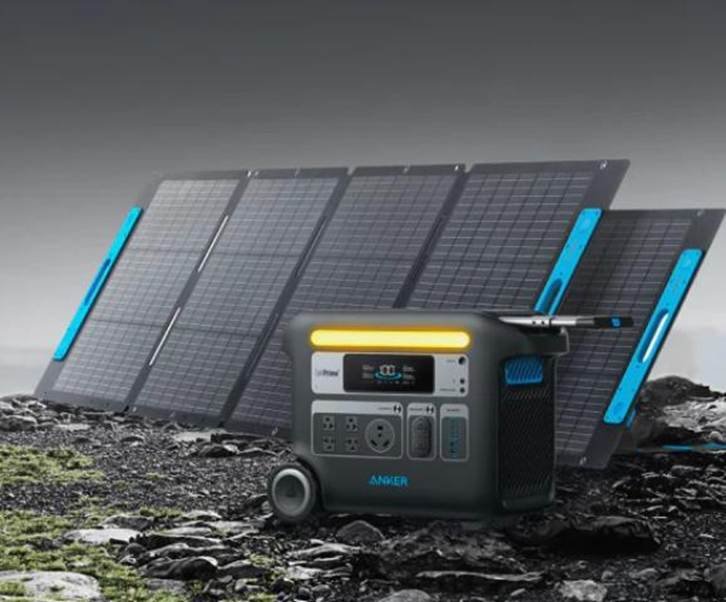
Portable power is often overlooked in family camping, yet phones, cameras, and devices all compete for battery life. That’s why choosing the best portable power station makes a real difference—offering one reliable source for multiple devices without trade-offs. Especially on longer trips with limited driving time, that consistency matters. Good models prioritize stable output and safety, which is why options like the Anker SOLIX power stations are trusted for both outdoor and backup use. It turns managing power from a daily concern into a simple convenience.
2. Extra Lighting for Late Nights
Lanterns die faster than expected
Lighting is rarely forgotten entirely, but its limitations are often underestimated until darkness fully settles in. Battery-powered lanterns, especially older or heavily used ones, tend to drain more quickly than expected during extended evenings. Campsites introduce lighting demands beyond basic visibility, including cooking, organizing gear, and navigating uneven terrain. When primary lights dim unexpectedly, routine tasks become frustratingly difficult. Backup illumination prevents minor inconveniences from escalating into safety concerns. Even compact, low-power lights can dramatically improve nighttime comfort and mobility. Reliable lighting redundancy supports both practicality and peace of mind.
Headlamps for every family member
Shared light sources can unintentionally create bottlenecks, particularly in larger families or busy campsites. Headlamps solve this issue by providing hands-free, personal lighting that moves with each individual. Children, in particular, benefit from predictable visibility when walking, reading, or preparing for sleep. Personal lighting reduces dependence on others and minimizes disruptions during nighttime movement. Adjustable brightness levels also help conserve battery life while maintaining adequate visibility. The convenience of hands-free light becomes especially noticeable during tasks like cooking or setting up equipment after sunset. Individual headlamps contribute disproportionately to campsite efficiency and comfort.
3. Comfort Items From Home
Pillows and mattress toppers
Sleeping arrangements often represent the greatest gap between expectation and reality in family camping. Sleeping bags and pads provide insulation, but they rarely replicate the comfort of familiar bedding. Small additions such as pillows and lightweight mattress toppers can significantly improve sleep quality. Restful sleep directly influences mood, patience, and overall enjoyment, particularly for children. Discomfort accumulates quickly across multiple nights, sometimes affecting the entire trip experience. Compact comfort upgrades typically require minimal packing space relative to their benefits. Prioritizing sleep comfort often proves more impactful than adding additional recreational gear.
Familiar blankets for young kids
For younger children, camping introduces unfamiliar sounds, temperatures, and routines that can disrupt sleep. Familiar blankets provide psychological comfort in addition to physical warmth. These items often carry strong associations with safety and routine, easing transitions to new environments. Emotional comfort plays a critical role in helping children adapt to outdoor settings. Even during mild weather, recognizable bedding can reduce anxiety and resistance at bedtime. Packing such items requires little effort but can prevent considerable stress. Small comforts from home frequently shape the success of family trips.
4. First-Aid Refills and Repairs
Blister bandages and antihistamines
First-aid kits are commonly packed yet surprisingly understocked for realistic camping scenarios. Blisters, minor allergic reactions, and small irritations occur far more often than serious injuries. Supplies tailored to these frequent issues can greatly improve comfort and mobility. Blister-specific bandages, for example, address a common problem that standard kits may not adequately cover. Antihistamines also prove valuable when encountering unfamiliar plants or insects. Addressing minor discomfort quickly helps prevent escalation and preserves trip enjoyment. Thoughtful kit refills transform first aid from emergency-only preparation to practical daily support.
Tent patch kits and extra stakes
Equipment failures rarely dominate planning discussions but can significantly disrupt camping experiences. Small tears, loose seams, or lost stakes often appear at inconvenient moments. Compact repair tools allow immediate fixes without improvisation or frustration. Tent patch kits, in particular, extend gear lifespan and prevent weather-related complications. Extra stakes offer inexpensive insurance against loss or challenging ground conditions. Preparedness for minor repairs preserves both safety and shelter reliability. Lightweight repair items deliver exceptional value relative to their size and cost.
See also: Nanotechnology Explained
5. Trash and Waste Solutions
Waste management remains one of the least discussed yet most essential aspects of comfortable camping. Without dedicated solutions, trash quickly accumulates and attracts unwanted wildlife or insects. Durable bags and basic sorting strategies simplify campsite cleanliness and organization. Proper waste handling also contributes to a more pleasant and hygienic environment. Families, especially with children, tend to generate more waste than expected. Planning for disposal reduces last-minute scrambling and environmental impact. Clean campsites support both comfort and responsible outdoor habits.
Conclusion
Overlooked camping items often share a common characteristic: their importance only becomes obvious when they are missing. Portable power, reliable lighting, sleep comfort, minor medical supplies, and waste management all contribute quietly but significantly to trip quality. These categories rarely generate excitement during planning yet frequently determine overall satisfaction. Small oversights can produce disproportionate inconvenience, particularly on multi-day family outings. Thoughtful preparation emphasizes practical support rather than simply maximizing gear quantity. By recognizing these commonly forgotten essentials, families can reduce friction and enhance the camping experience. Well-balanced packing ultimately allows attention to remain on enjoyment rather than problem-solving.